
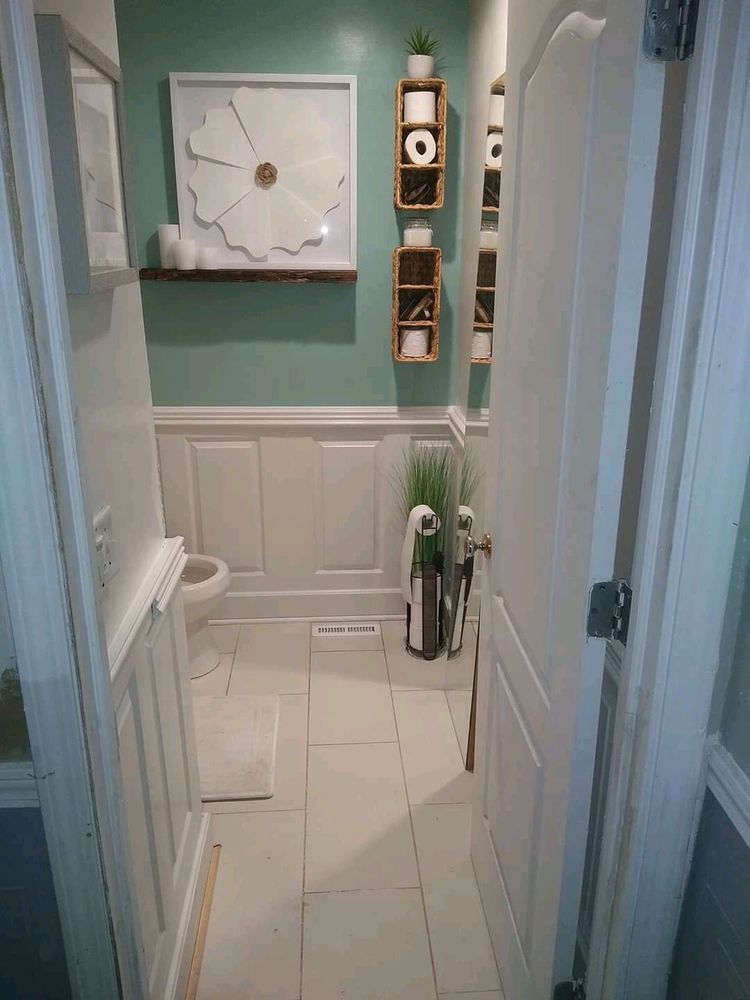
Floors Built for Household Traffic Patterns
Flooring Installation in Dublin for homes updating kitchens, bathrooms, and high-use living areas
Worn flooring shows scratches that don't buff out, edges that lift near doorways, and surfaces that feel uneven underfoot. Here 2 Help Home Solutions installs luxury vinyl plank, luxury vinyl tile, laminate, and tile flooring in Dublin and the Greater Columbus Area for homeowners replacing outdated or damaged floors. Material selection depends on the room's exposure to moisture, the type of traffic it handles, and how much maintenance homeowners want to manage. Installation quality affects how well seams resist moisture intrusion, how flooring responds to temperature shifts, and whether the surface stays level over time.
The installation process involves removing existing flooring, inspecting the subfloor for damage or irregularities, and preparing the surface to meet flatness tolerances specified for the material being installed. LVP and LVT installations use click-lock systems or adhesive depending on the product and room conditions, while laminate requires underlayment that dampens sound and accommodates minor subfloor imperfections. Tile installations demand mortar and grout application with attention to spacing and levelness. Each material requires different handling to ensure long-term performance.
Request a flooring consultation to review material options and installation planning for your home.
What Changes After New Flooring Goes In
Flooring installation transforms how rooms function and how surfaces hold up to everyday use. Preparation includes verifying that the subfloor is dry, structurally sound, and within flatness specifications, typically requiring no more than three-sixteenths of an inch variation over a ten-foot span for most floating floors. Transitions between rooms are planned to align with doorways and avoid awkward seams in visible areas. Expansion gaps along walls accommodate the material's response to humidity changes, preventing buckling in climates like Dublin's, where indoor conditions shift between heated winters and humid summers.
After installation, you'll notice floors that feel solid without bounce or hollow sounds, seams that align tightly without gaps, and transitions that sit flush with adjacent surfaces. Kitchens and bathrooms handle spills without water seeping into seams, hallways resist scuffing from foot traffic, and living areas maintain their appearance through furniture movement and daily activity. Durable flooring eliminates the need for frequent refinishing or patching that older surfaces demanded.
Material choices include waterproof LVP for moisture-prone areas, scratch-resistant laminate for living spaces, and tile for rooms needing high durability. Each option requires specific installation techniques that match the product's construction and intended use.
Common Questions About This Service
Flooring projects raise questions about material performance, installation timelines, and how choices affect long-term maintenance.
How does LVP differ from laminate in wet areas?
LVP uses a waterproof vinyl core that resists moisture damage even if water sits on the surface, while laminate has a wood-based core that swells and warps with prolonged water exposure, making LVP better suited for bathrooms and kitchens.
What subfloor preparation does flooring installation require?
Subfloors must be clean, dry, and within flatness tolerances, often requiring leveling compound to fill low spots or sanding to remove high points that would telegraph through the finished floor.
When should underlayment be used with floating floors?
Most laminate and some LVP products require foam or cork underlayment to absorb subfloor irregularities and reduce sound transmission, though some LVP includes attached underlayment that eliminates this step.
Why do floating floors sometimes feel unstable?
Inadequate acclimation before installation, insufficient expansion gaps, or subfloor flatness issues cause movement and noise, which is why preparation and following manufacturer guidelines matter for performance.
What flooring handles pets and active households in Dublin homes?
Luxury vinyl tile and rigid core LVP resist scratching and moisture better than laminate, making them practical for homes with dogs, kids, and frequent spills common in busy households.
Here 2 Help Home Solutions helps homeowners in Dublin select and install flooring that matches their lifestyle and budget. Reach out to discuss flooring materials, room-specific recommendations, and installation planning for your next upgrade.