
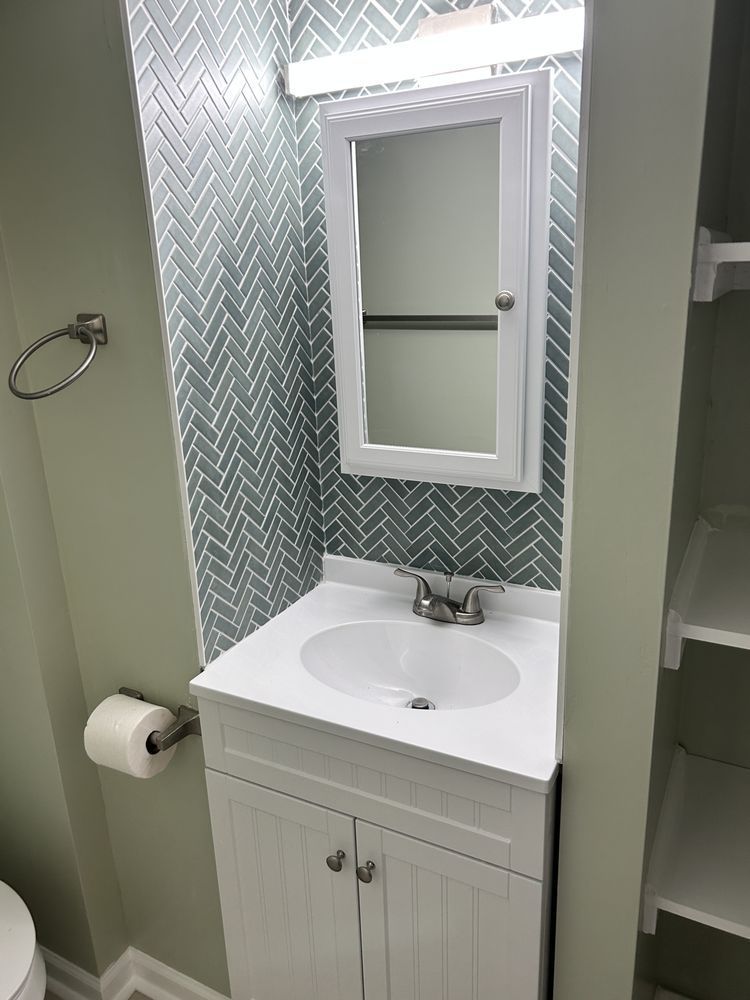
Fixing Problems Before They Spread
Bathroom Repairs in Dublin for leaking fixtures, damaged tile, and worn finishes that compromise function
Small bathroom issues rarely stay small. A cracked tile allows water to seep behind surfaces, deteriorated caulking lets moisture reach framing, and a dripping fixture wastes water while indicating seal failure. Here 2 Help Home Solutions handles bathroom repairs throughout Dublin and The Greater Columbus Area, addressing these problems before they require more extensive and expensive interventions. Prompt repairs preserve existing bathroom features and prevent the type of water damage that forces premature replacements.
Repair work targets the specific issue without unnecessary replacement of surrounding components. Damaged tile is removed and replaced with matching pieces, leaking fixtures receive new seals or cartridges, worn flooring sections are cut out and patched, and failed caulking is scraped away and reapplied using mildew-resistant materials. The goal is to restore function and stop damage progression using practical solutions that extend the life of your bathroom.
Schedule a service visit to assess bathroom issues and receive straightforward recommendations for repairs.
What Changes After Repairs Are Completed
The repair process begins with identifying the full extent of the problem, which sometimes means removing a small section of tile or flooring to check for hidden moisture damage. Once the affected area is accessible, damaged materials are replaced, and waterproofing is restored before new finishes are installed. Fixture repairs involve disassembly to access worn components, replacement of seals or internal mechanisms, and reassembly with proper torque to prevent future leaks.
After repairs are finished, you'll notice fixtures that no longer drip or leak, tile surfaces that sit flush without cracks or loose sections, and caulk lines that seal edges without gaps or mildew growth. Flooring feels solid without the soft spots that indicated water penetration, and the bathroom functions normally without the ongoing deterioration that was occurring before the repair.
Repair versus replacement decisions depend on the extent of damage and the age of existing components. A single cracked tile in an otherwise sound installation makes sense to repair, while widespread tile damage with underlying substrate issues often justifies replacement. Similarly, a fixture with a failed seal can be repaired if the body and valve assembly remain functional, but corroded or obsolete fixtures should be replaced to avoid repeat failures.
Common Questions About This Service
Understanding when repairs are appropriate and what they involve helps you make informed decisions about bathroom maintenance.
What bathroom problems should be repaired immediately?
Leaking fixtures, cracked tile in wet areas, failed caulking around tubs or showers, and soft flooring near water sources all require prompt attention because they allow ongoing water damage that worsens over time and eventually affects structural components.
How do you match existing tile for repairs?
Tile matching involves identifying the original product line, size, and finish, though exact matches aren't always available for older installations. In cases where original tile is unavailable, strategically placed accent tiles or partial area replacements can blend repairs into the existing design.
Why does caulking deteriorate in bathrooms?
Bathroom caulking breaks down due to constant moisture exposure, temperature fluctuations, and mildew growth that feeds on organic materials in some caulk formulas. Dublin's humidity variations between seasons accelerate this deterioration, making periodic caulk replacement necessary to maintain water seals.
When does a fixture need replacement instead of repair?
Fixtures should be replaced when internal components are no longer available, corrosion has compromised structural integrity, or repeated repairs indicate fundamental design or material failures. Age and availability of parts often determine whether repair remains cost-effective.
What signs indicate hidden water damage?
Soft flooring, discolored grout, peeling paint or wallpaper, musty odors, and visible mold growth all suggest water has penetrated beyond surface materials. These signs warrant inspection to assess damage extent before planning repairs.
Here 2 Help Home Solutions provides honest assessments of repair needs and discusses whether fixing existing components or replacing them offers better long-term value. Reach out to discuss specific bathroom concerns and receive practical recommendations based on your situation and budget.