
Tubs Built for Comfort and Durability
Bathtub Installation & Replacement in Dublin for cracked, stained, or outdated tubs that reduce bathroom function
A damaged or outdated bathtub affects both bathroom appearance and daily comfort. Here 2 Help Home Solutions provides bathtub installation and replacement services in Dublin and The Greater Columbus Area, removing worn tubs and installing new units that improve functionality and integrate properly with surrounding tile and flooring. The work addresses issues like surface cracks that harbor mold, chipped enamel that can't be cleaned effectively, and inefficient designs that waste water or fail to retain heat.
Replacement involves disconnecting plumbing, removing the old tub and any damaged surrounding materials, and preparing the alcove or platform for the new unit. Proper installation includes leveling the tub, securing it to framing, reconnecting drain and overflow assemblies, and sealing all edges before tile or surround materials are installed. Options range from standard alcove tubs to soaking tubs and space-efficient corner units, depending on your bathroom layout and how you use the space.
Schedule an estimate to review tub options and discuss how replacement integrates with your existing bathroom finishes.
What Bathtub Replacement Actually Accomplishes
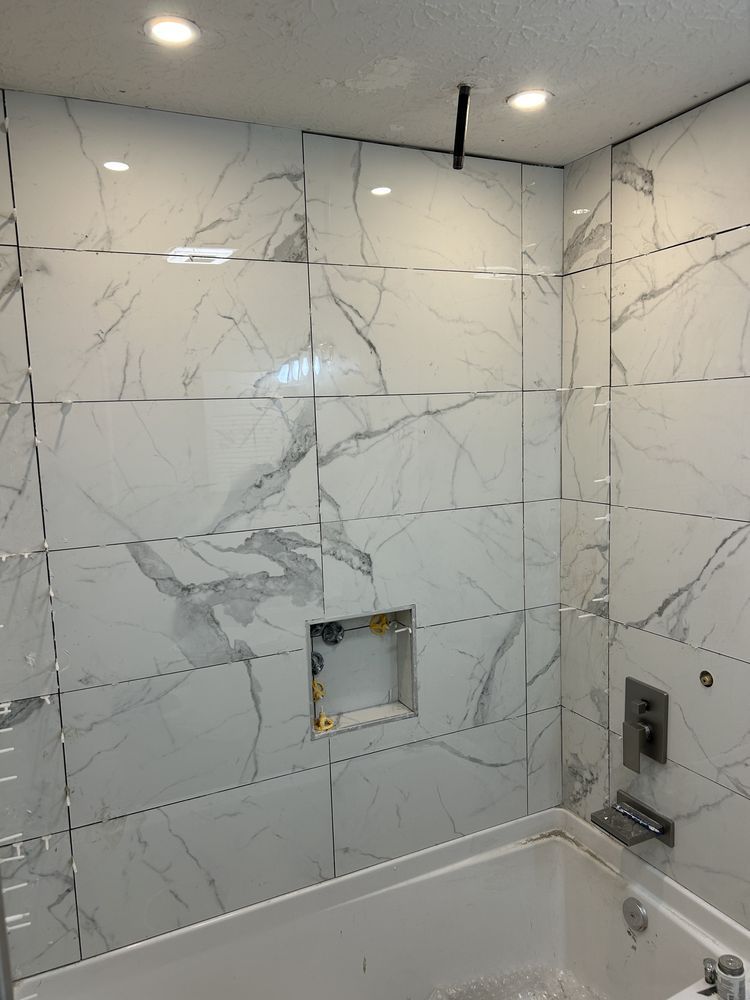
The replacement process begins with assessing the condition of framing and subfloor around the existing tub, since water damage often extends beyond the tub itself. Once the old unit is removed and any necessary structural repairs are completed, the new tub is positioned and leveled before plumbing connections are made. Surrounding tile or wall panels are installed after the tub is secured, and all seams are caulked to prevent water infiltration.
After replacement is finished, you'll notice a smooth, stain-free surface that cleans easily, improved water retention that keeps baths warmer longer, and stable edges that no longer flex or allow water to seep behind walls. The tub drains completely without standing water in the bottom, and surrounding tile sits flush against the rim without gaps that trapped moisture and encouraged mold growth in the old installation.
Tub selection involves considering material durability, maintenance requirements, and how the unit fits within your bathroom's dimensions. Acrylic tubs are lighter and easier to install than cast iron but may flex slightly if not properly supported. Soaking tubs offer deeper water but require more hot water capacity and reinforced flooring to handle added weight. Space-efficient designs maximize bathing area in smaller bathrooms but may limit certain features like built-in armrests or contoured backs.
Answers to Frequent Service Questions
Bathtub replacement projects raise practical questions about material choices, installation requirements, and how the work affects bathroom usability.
What signs indicate a bathtub needs replacement?
Cracks that extend through the tub surface, widespread staining or discoloration that doesn't respond to cleaning, chips that expose underlying materials, and flex or movement when the tub is filled all indicate replacement is necessary rather than repair.
How are new tubs integrated with existing tile?
Tub replacement typically requires removing at least the bottom few rows of surrounding tile to properly seal the new unit and ensure water doesn't penetrate behind wall surfaces. Tile is then replaced to match existing patterns, or the replacement becomes an opportunity to update the entire surround.
What makes proper leveling important during installation?
Level tubs drain completely and distribute weight evenly across support structures, preventing stress cracks and ensuring water flows toward the drain rather than pooling in corners. Unlevel installations lead to standing water, uneven wear, and potential structural issues over time.
Why do material choices affect long-term maintenance?
Acrylic tubs resist staining and are easy to clean but can scratch more easily than porcelain-enameled steel or cast iron. Cast iron retains heat longer but weighs significantly more, requiring stronger floor support. Material choice affects both daily maintenance and the lifespan of the installation.
How does bathtub replacement affect bathroom availability?
Replacement projects typically require two to four days depending on the extent of surrounding work, during which the bathroom is not usable. Planning access to alternate bathing facilities is necessary, especially in Dublin homes with only one full bathroom.
Here 2 Help Home Solutions ensures bathtub installations are completed with attention to structural support, waterproofing, and integration with existing finishes, so the new tub performs reliably for years. Reach out to discuss replacement options that match your bathroom layout and preferences.